
Sensitive materials require humidity control.
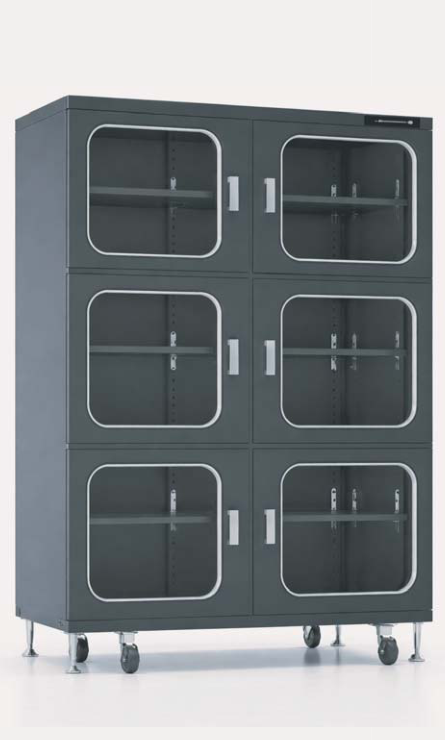
Moisture-sensitive components need storage selected for the material's required humidity range.
Solution
Smart lockers, smart shelves and dry cabinets for controlled access, inventory visibility and moisture-sensitive storage.
Direct answer
Semiconductor dry cabinets and laboratory asset control address different risks: humidity-sensitive materials need specified dry storage, while shared equipment needs controlled access and traceable handoffs.
Operational challenges
Moisture-sensitive components need storage selected for the material's required humidity range.
Restricted supplies benefit from named access and return records rather than open shelving.
Separate dry storage and access control can be configured around the lab's actual handling process.
Recommended approach
Shared access
Production and lab teams can track keys for restricted rooms, cabinets, equipment and maintenance areas.
An affordable configuration can start with a multi-key cabinet to reduce cost per key, then use individual compartments only where stricter accountability is needed.
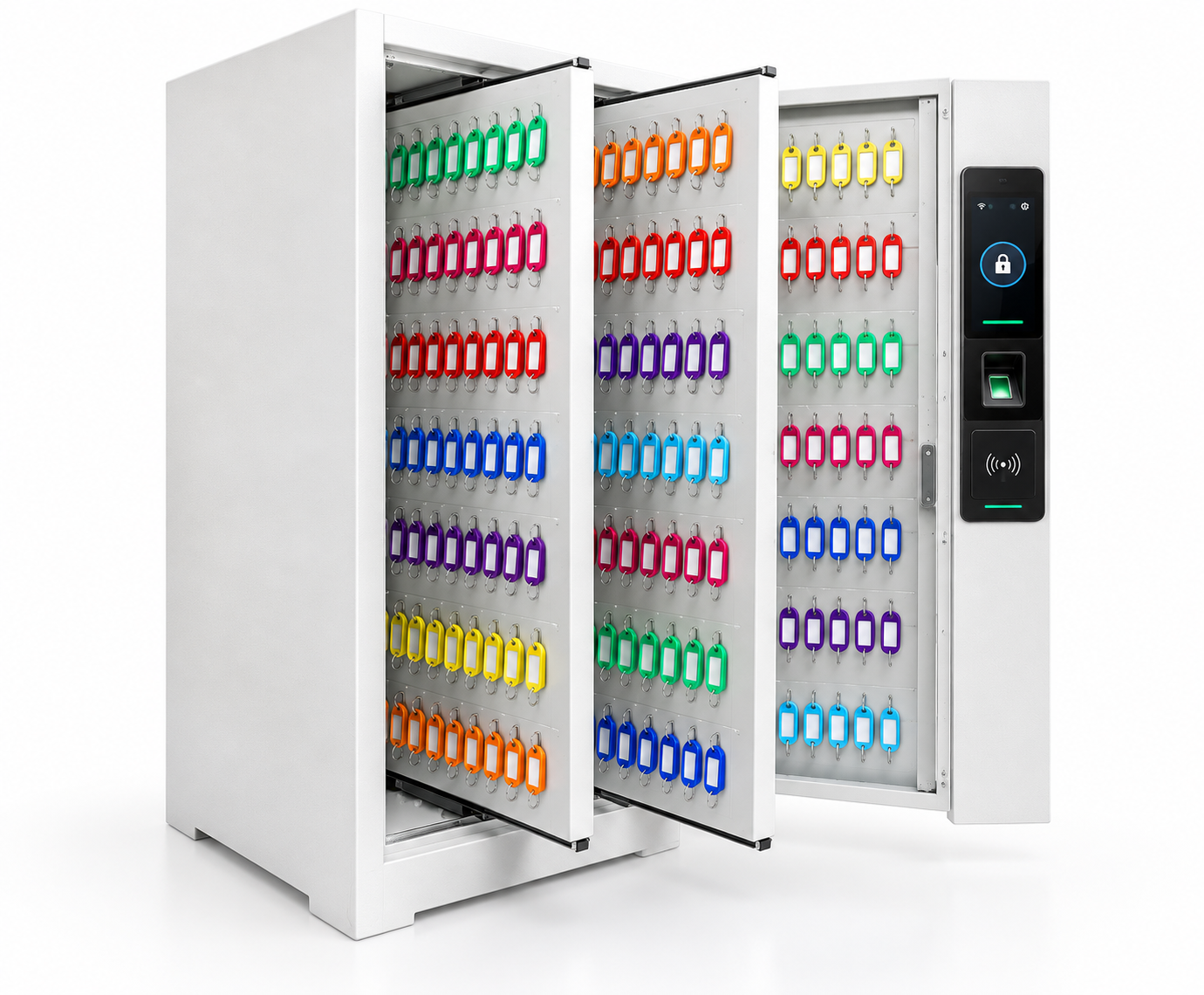
One controlled cabinet door holds multiple keys or key sets. Authorized users open the cabinet, and access events can be recorded for review.
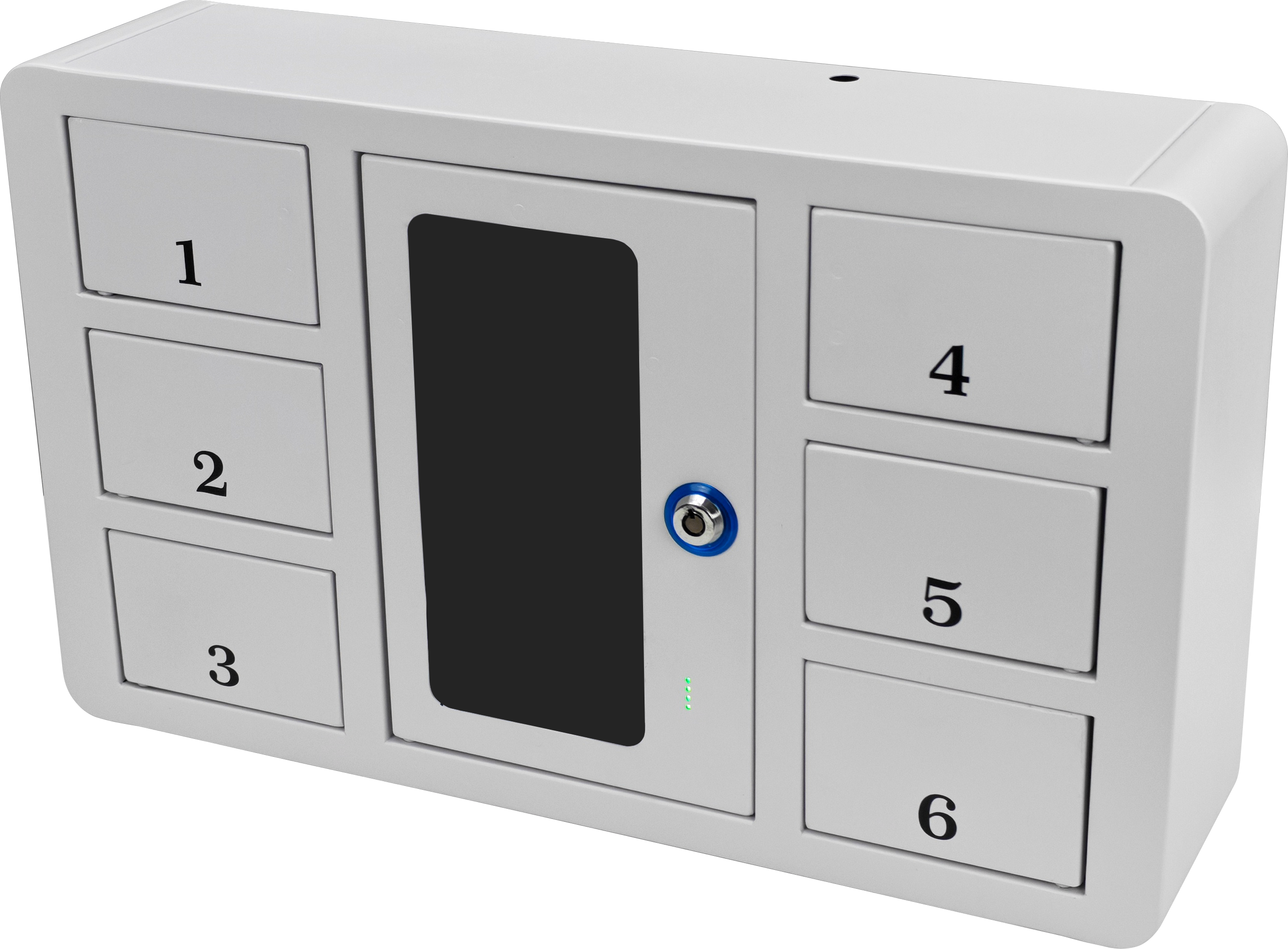
Each key or key set has a dedicated compartment. Individual doors make assignment and pickup more specific when a stricter chain of custody is needed.
FAQ
Smart lockers, smart shelves and dry cabinets for controlled access, inventory visibility and moisture-sensitive storage.
Yes. Locker counts, compartment sizes, access methods, user groups and workflows can be configured around the site.
A multi-key cabinet can lower the cost per key by placing multiple keys behind one controlled door. A one-key-one-door layout adds compartments where stricter individual accountability is needed. The right mix depends on key count and access policy.
Send the site type, location, approximate user count and current workflow problem through the request quote form.